Condo Inspection in Calgary: What Is Different and Why It Matters
Thinking about buying a condo in Calgary? Learn what a condo inspection covers, how it differs from a house inspection, and why it is essential for Calgary condo buyers.
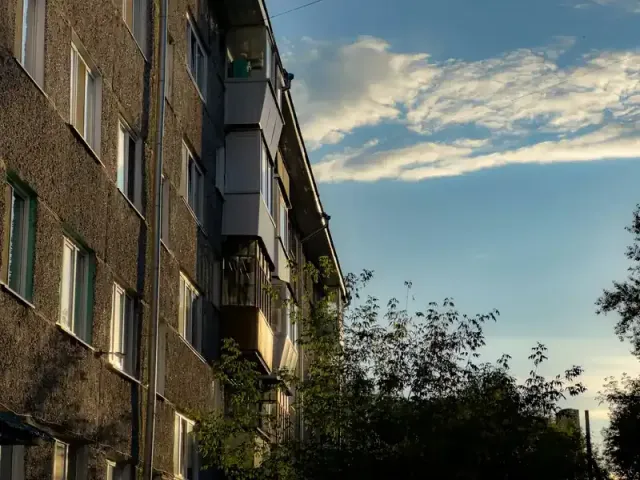
Buying a condo in Calgary is a different experience from buying a detached home, and the inspection process is different too. I hear this question all the time: “Do I really need an inspection for a condo? It is just the unit, right?” The short answer is yes, absolutely. And while the scope is different from a full house inspection, there is still a lot that can go wrong inside a condo unit, and a lot that can cost you serious money if you do not catch it early.
Let me walk you through what a condo inspection actually covers, what is different from a house inspection, and why it matters, especially in the Calgary market.
How a Condo Inspection Differs from a House Inspection
When I inspect a detached home, I am looking at everything from the roof to the foundation, plus all the exterior components in between. With a condo, the scope is narrower because the condo corporation is responsible for common elements like the roof, exterior walls, parking structures, and shared mechanical systems.
But “narrower” does not mean “less important.” A condo inspection focuses on everything within your unit and everything that directly affects your living space. That still covers a lot of ground.
Here is what I am not typically inspecting in a condo:
- The roof (common element)
- Exterior walls and siding (common element)
- Shared hallways and amenities
- The building’s main mechanical systems (boilers, elevators, parkade structure)
And here is what I am inspecting:
Plumbing
I check all the fixtures, supply lines, and drain lines within the unit. Leaky faucets, slow drains, and low water pressure are common. In older Calgary condos, I also look at the condition of shut-off valves and supply hoses to washing machines and dishwashers. A failed supply hose is one of the most common causes of flooding in condos, and the damage extends well beyond your unit.
Electrical
I inspect the electrical panel, test outlets for proper grounding and polarity, check GFCI protection in kitchens and bathrooms, and look at the overall condition of the wiring. Older condos sometimes have undersized panels that were fine for the original layout but are overloaded after renovations added new appliances or circuits.
HVAC
Many Calgary condos use fan coil units instead of a traditional furnace. These units heat and cool your space using hot or chilled water from the building’s central system. I check the fan coil operation, the thermostat, and the condition of the unit. Fan coils have a lifespan, typically 15 to 20 years, and replacing one can cost $2,500 to $4,000 or more.
In condos with in-suite furnaces, I inspect those the same way I would in a house, checking for proper operation, age, and any signs of problems.
Windows and Doors
I check all windows for proper operation, seal condition, and signs of fogging between the panes. In Calgary, window seal failures are extremely common due to our temperature swings. I also check the balcony door, sliding mechanisms, and weather stripping.
Depending on the condo’s bylaws, windows may be your responsibility or the corporation’s. This is worth knowing before you buy, because replacement costs can be significant.
Balcony
If the unit has a balcony, I inspect the surface condition, railing stability, drainage, and the door threshold. Balcony membranes deteriorate over time, and water penetration through a balcony can cause damage to the unit below. Check whether balcony maintenance is your responsibility or the corporation’s.
Interior Condition
Walls, ceilings, floors, doors, cabinets, countertops, and general condition of finishes throughout the unit. I look for signs of moisture damage, cracks, uneven floors, and any evidence of past issues that may have been cosmetically repaired but not properly addressed.
Bathroom Ventilation
Proper bathroom exhaust is critical in condos. Without good ventilation, moisture builds up and creates the perfect environment for mould. I check that exhaust fans are operational and actually moving air to the outside, not just into the ceiling space.
The Condo Documents Matter as Much as the Inspection
A condo inspection tells you about the condition of your unit. But the condo documents tell you about the condition of the building, and that affects your investment just as much.
Before you finalize your purchase, review these documents carefully (or have a lawyer review them):
Reserve Fund Study. This shows how much money the condo corporation has set aside for future repairs and replacements. A healthy reserve fund means the building is financially prepared for major expenses like roof replacement, elevator repairs, or parkade restoration. A low reserve fund means special assessments are more likely.
Special Assessments. These are one-time charges to condo owners to cover expenses the reserve fund cannot handle. A $10,000 or $20,000 special assessment can appear with relatively little warning. Review the corporation’s history of special assessments and any that are currently planned.
Condo Board Meeting Minutes. These give you insight into ongoing issues, planned maintenance, complaints, and how well the building is managed. Look for recurring maintenance problems, discussions about major repairs, and the general tone of the meetings.
Insurance. Understand what the building’s insurance covers versus what you need to insure yourself. The gap between the two can be significant.
Your real estate lawyer can help you make sense of these documents, and they should be part of your due diligence alongside the physical inspection.
Calgary Condo Market Context
Calgary has a diverse condo market, and the inspection considerations vary by area and building type:
Beltline and Downtown condos range from brand new towers to older mid-rises from the 1970s and 1980s. Newer buildings tend to have modern systems but can still have construction deficiencies. Older buildings may have aging mechanical systems, original windows, and higher condo fees to cover ongoing maintenance.
East Village has seen a lot of new development. Many of these buildings are less than ten years old, but that does not mean they are issue-free. I have found deficiencies in relatively new condos, including improper sealing, HVAC issues, and finishing problems.
Suburban condos in communities across Calgary vary widely. Some are well-built and well-maintained. Others have deferred maintenance that shows up in the reserve fund study and in the physical condition of the units.
Regardless of where you are buying, the inspection gives you a clear picture of what you are getting at the unit level, and the documents fill in the rest.
Common Condo Inspection Findings in Calgary
Based on the condos I have inspected across the city, here are the most frequent issues I find:
- Fan coil units approaching end of life. These are expensive to replace and are one of the most common major expenses for condo owners.
- Window seal failures. Calgary’s climate is particularly tough on sealed window units.
- Bathroom exhaust fans that do not vent properly. This leads to moisture buildup and potential mould issues.
- Undersized or outdated electrical panels. Especially in condos that have been renovated without upgrading the electrical.
- Plumbing supply hose deterioration. Rubber hoses on washing machines and dishwashers have a limited lifespan and should be replaced with braided stainless steel lines.
- Insufficient caulking around tubs, showers, and kitchen sinks. This is a maintenance item, but if neglected, it leads to water damage.
Is a Condo Inspection Worth It?
A condo pre-purchase inspection typically costs less than a full house inspection because the scope is smaller. But the value is just as real. Knowing that your fan coil is on its last legs, or that the bathroom has signs of past moisture damage, gives you the information you need to negotiate effectively or budget for repairs.
I have had condo buyers negotiate thousands of dollars off the purchase price based on inspection findings. And I have had buyers walk away from condos with serious issues that would have cost them far more than the inspection fee.
Check my pricing page for current condo inspection rates. It is one of the smartest investments you can make as a condo buyer.
Ready to Book a Condo Inspection?
If you are buying a condo in Calgary, give me a call at (403) 861-7100 to book a pre-purchase inspection, or reach out online. I will make sure you understand the condition of your unit and help you make a confident buying decision.
Ready to book your inspection?
If you're buying, selling, or want a clearer picture of your property, I can help. PHII-certified, thermal imaging included, detailed report within 24 hours.