Do You Need a Home Inspection for a New Construction Home in Calgary?
Find out why brand-new homes in Calgary still need professional inspections. Learn about common defects found in new builds, builder warranty limitations, and the best timing for your inspection.
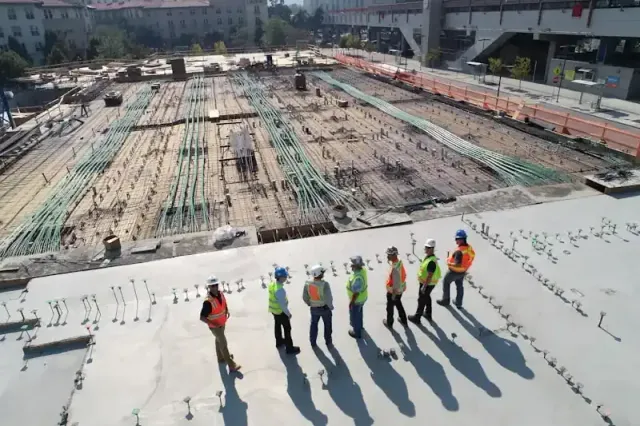
I hear it all the time: “But it’s brand new — why would it need an inspection?” Honestly, I get it. You’re buying a home that was just built with new materials, modern codes, and a builder’s warranty backing it up. Spending a few hundred more on an inspection feels unnecessary.
But after inspecting hundreds of new construction homes across Calgary and the surrounding communities, I can tell you firsthand — new doesn’t mean perfect. Some of the worst defects I’ve ever found were in homes nobody had lived in yet. Not even for a day. Let me walk you through why a new construction inspection is something I’d never skip.
Why New Builds Need Inspections
Dozens of Tradespeople, Dozens of Chances for Mistakes
Think about what goes into building a house. Framers, plumbers, electricians, HVAC techs, roofers, siding crews, drywall finishers — the list goes on. Each trade relies on the work of the crew that came before them. With that many hands on the project over several months, things get missed. It’s just the reality of construction.
Municipal Inspections Don’t Catch Everything
The City of Calgary requires building inspections at various stages, and those inspections matter — you can see the full schedule of framing, electrical, plumbing, and final checks on the City’s building and trade inspections page. But here’s what most people don’t realize: municipal inspectors are mainly checking for code compliance. They’re not evaluating overall quality, and they’re definitely not looking at the home from a buyer’s perspective. They’ve got heavy workloads and limited time per inspection. Meeting code is the bare minimum — it doesn’t guarantee good craftsmanship.
Not All Builders Are Created Equal
Calgary’s seen a lot of residential construction growth, and builder quality varies more than you’d think. Some builders run tight ships with solid quality control. Others are pushing their crews hard to hit tight deadlines, and that’s when corners get cut — sometimes literally. A third-party inspection gives you an objective set of eyes that don’t have any skin in the game.
Common Defects I Find in New Construction
I’ve documented a wide range of issues in new Calgary homes over the years. Here’s what keeps showing up.
Grading and Drainage Problems
This is probably the single most common issue I find. The lot should slope away from the home on all sides so water drains away from the foundation. In a lot of new builds, the final grading just isn’t right — or it settles over the first year and creates low spots where water pools against the foundation walls. With Calgary’s heavy spring rains and fast snowmelt, that’s a recipe for moisture problems in your basement.
Missing or Poorly Installed Insulation
I regularly find gaps in attic insulation, spots where other trades have compressed or shoved insulation out of the way, and areas where the vapour barrier isn’t sealed properly. One Calgary home I inspected had an entire section of attic above a bedroom with zero insulation. None. The homeowners would’ve figured it out their first winter when that room was freezing and their heating bill went through the roof.
Plumbing Issues
New builds aren’t immune to plumbing problems. I find slow drains from construction debris left in the lines, drain traps that aren’t connected right, missing shut-off valves — and occasionally active leaks behind walls. One that sticks with me: a kitchen sink connection that was only finger-tight. Someone forgot to come back with a wrench. It was already dripping into the cabinet, and a few months of that would’ve meant serious water damage and mould.
Electrical Defects
You’d be surprised how often I find missing GFCI protection in bathrooms, kitchens, and exterior outlets in brand-new homes. I also regularly see outlets that aren’t properly grounded, switches wired to the wrong fixtures, and junction boxes left without covers. These aren’t just quality issues — they’re safety hazards.
HVAC Problems
Furnaces that haven’t been properly commissioned, ductwork that’s disconnected or poorly sealed, HRV systems that aren’t balanced. In one home out in Airdrie, I found the furnace exhaust vent wasn’t properly secured to the exterior wall — exhaust gases could’ve leaked right into the attic space. That’s a carbon monoxide risk. It needed fixing immediately.
Exterior and Roofing
Missing or badly installed flashing around windows, doors, and roof penetrations is something I flag constantly. I also see siding that isn’t fastened properly, incomplete caulking at critical transitions, and shingle installations that don’t follow manufacturer specs. Calgary wind and hail don’t give poorly installed exteriors a pass.
Cosmetic and Finishing Stuff
These are less critical, sure, but they’re still worth documenting: drywall cracks, paint problems, trim gaps, cabinets that don’t line up, scratched countertops, flooring issues. Your builder should fix these under warranty — but only if they’re identified and written down before your warranty clock runs out.
Builder Warranty: Good, But Not a Safety Net
Alberta’s New Home Buyer Protection Act requires builders to provide warranty coverage through an approved provider, most commonly the Alberta New Home Warranty Program. The standard coverage looks like this:
- One year for labour and materials defects.
- Two years for delivery and distribution systems (plumbing, heating, electrical, ventilation).
- Five years for the building envelope, including water penetration through the exterior.
- Ten years for major structural defects.
That’s solid coverage on paper. But there are catches.
First, you have to actually identify and report defects within the coverage period. If you don’t know about a problem, you can’t file a claim. A professional inspection gets those issues documented early while your warranty is still active. Second, warranties cover defects — not maintenance. If a problem comes from neglect on your end, the warranty won’t help you. Third, there are exclusions. Most warranties don’t cover landscaping, grading, or anything you’ve modified. And finally, filing a claim goes a lot smoother when you’ve got a dated, professional inspection report backing you up rather than just your word.
When to Schedule Your Inspection
Timing matters. There are two points in the build where an inspection gives you the most bang for your buck.
Pre-Drywall Inspection
This one happens after framing, plumbing, electrical, and HVAC rough-ins are done, but before the drywall goes up. It’s your only chance to see the home’s hidden systems before they’re buried behind walls. I can check framing quality, insulation, vapour barriers, plumbing and electrical rough-ins, and ductwork routing. If there’s an issue at this stage, it’s way cheaper to fix than after the home is finished and someone has to start cutting holes in drywall.
Final Inspection Before Possession
The second inspection should happen as close to your possession date as possible — ideally during your walkthrough with the builder. I go through everything visible in the finished home: all the systems, components, finishes, and exterior elements. The goal is to document every defect before you take ownership so you’ve got a clear record for warranty claims.
If You Can, Get Both
I always recommend both inspections if your timeline and budget allow. The pre-drywall catches hidden stuff you’ll never see again. The final inspection evaluates the finished product. Together, they’ve got you covered.
Real Stories from Calgary Inspections
These are all from real inspections I’ve done in the Calgary area:
-
A home in southeast Calgary had three bathroom exhaust fans ducted into the attic instead of to the exterior. Over time, all that moisture would’ve built up in the attic — mould, potential rot, the works.
-
A townhome in the northwest had a fireplace gas line resting on a sharp metal edge with no support. Vibration from the furnace could’ve eventually worn through the line. I don’t need to spell out how dangerous that could get.
-
A detached home in Okotoks had big gaps between the foundation wall and the sill plate that were never sealed. Cold air was pouring into the basement. The homeowners would’ve been fighting that every winter.
None of these were caught by municipal inspections. And none would’ve been obvious to someone without training.
It’s Worth the Investment
A new home in Calgary often runs $500,000 or more. A professional inspection is a small price to pay to make sure what you’re getting is actually built right. It catches defects early when they’re cheapest to fix, gives you documentation for warranty claims, and puts you in a strong position to require corrections before you take possession. And honestly — it just gives you peace of mind that your brand-new home is actually what it should be.
Let’s Make Sure Your New Home Is Built Right
If you’re building or buying new construction in Calgary or the surrounding area, don’t just assume everything’s perfect because it’s new. I’ve seen too many times where that assumption cost people money and headaches.
Give me a call at (403) 861-7100 or reach out online to book your new construction inspection. I’ll go through your new home top to bottom and make sure it’s done right.
Ready to book your inspection?
If you're buying, selling, or want a clearer picture of your property, I can help. PHII-certified, thermal imaging included, detailed report within 24 hours.