Understanding Your Home's Major Systems: A Guide for Calgary Homeowners
A plain-language guide to the six major systems in your home. Learn what each system does, how long it lasts in Calgary's climate, and when to plan for repairs or replacement.
When I hand someone a home inspection report, I can tell pretty quickly whether they are familiar with how their home works or whether the whole thing feels like a foreign language. There is no shame in that. Most of us were never taught how a home actually functions. We know how to use the furnace thermostat and where the light switches are, but the systems behind the walls and under the floors remain a mystery until something goes wrong.
This guide is designed to change that. I am going to walk you through the six major systems in your home in plain language. What each one does, how long it typically lasts in Calgary’s climate, what the warning signs of failure look like, and what you can expect to pay when it is time for a repair or replacement. Whether you just bought a home and want to understand your inspection report, or you have owned your home for years and want to maintain it better, this is for you.
1. Structural and Foundation
What It Does
The structural system is the skeleton of your home. It includes the foundation (concrete walls and footings below grade), the framing (studs, joists, beams, and rafters), and the load-bearing walls that carry the weight of the home down to the ground. Everything else in your home depends on this system being sound.
Lifespan in Calgary
A properly built foundation should last the lifetime of the home, but Calgary’s expansive clay soil and freeze-thaw cycles put constant stress on foundation concrete. Cracks are common and expected. The question is whether they are cosmetic or structural.
Wood framing, if kept dry, lasts indefinitely. The enemies of framing are moisture and pests. In Calgary, moisture from poor drainage or plumbing leaks is the primary threat.
Warning Signs
- Cracks in the foundation wider than a quarter inch
- Horizontal or stair-step cracks in foundation walls
- Doors and windows that stick or will not close properly
- Uneven or sloping floors
- Gaps between walls and ceilings or walls and floors
Typical Costs
- Foundation crack injection: $500 to $1,500 per crack
- Major foundation repair: $10,000 to $40,000+
- Structural beam or joist repair: $2,000 to $8,000
2. Roofing
What It Does
Your roof is the first line of defence against Calgary’s weather. It keeps rain, snow, and wind out while allowing moisture from inside the home to ventilate through the attic and out the roof vents. The roofing system includes the shingles (or other covering), underlayment, flashing around penetrations, and the ventilation system.
Lifespan in Calgary
Standard asphalt shingles in Calgary typically last 15 to 20 years, which is often less than the manufacturer’s rated lifespan. Our chinook winds, hailstorms, and UV exposure accelerate wear. Premium architectural shingles can last 20 to 30 years. Metal roofing lasts 40 to 60 years but costs significantly more upfront.
Warning Signs
- Shingles that are curling, cracking, or missing
- Granules collecting in gutters (indicates shingle deterioration)
- Water stains on ceilings or attic sheathing
- Daylight visible through the roof boards from inside the attic
- Ice dams forming along the eaves in winter (indicates heat loss or ventilation problems)
- Sagging sections of the roof line
Typical Costs
- Minor repair (replacing a few shingles): $200 to $500
- Moderate repair (flashing, small section): $500 to $2,000
- Full roof replacement: $8,000 to $18,000 depending on size and material
3. Electrical
What It Does
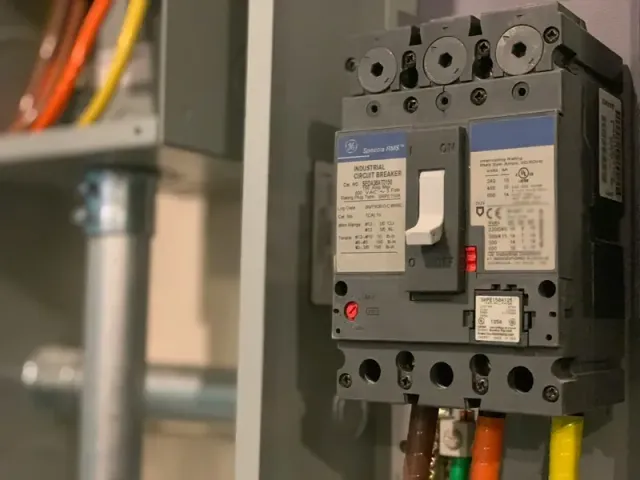
The electrical system brings power into your home from the utility, distributes it through the panel and branch circuits, and delivers it to every outlet, switch, and fixture. It also includes the grounding system that protects you from electrical faults.
Lifespan in Calgary
Copper wiring, if undamaged, lasts the life of the home. The electrical panel typically lasts 25 to 40 years. Outlets and switches last 15 to 25 years. The lifespan of these components is not heavily affected by Calgary’s climate, though aluminum wiring (common in 1960s and 1970s homes) requires ongoing monitoring due to the connection issues I mentioned in my article about what to expect during a home inspection.
Warning Signs
- Breakers that trip frequently
- Flickering or dimming lights
- Outlets that are warm to the touch
- Buzzing sounds from the panel or outlets
- Burning smell near electrical components
- Two-prong outlets (indicates lack of grounding)
- An outdated or recalled panel brand
Typical Costs
- Outlet or switch replacement: $100 to $200 per unit (installed)
- Panel upgrade (100A to 200A): $2,000 to $4,000
- Aluminum wiring remediation: $2,000 to $5,000
- Full rewiring (older home): $8,000 to $15,000
4. Plumbing
What It Does
The plumbing system has two halves. The supply side brings clean water into your home under pressure. The drain, waste, and vent (DWV) side removes wastewater by gravity and vents sewer gases safely through the roof. The water heater sits between the two, heating your incoming water supply.
Lifespan in Calgary
- Copper supply pipes: 50 to 70 years
- PEX supply pipes: 40 to 50 years (newer material, long-term track record still developing)
- Galvanized steel supply pipes: 20 to 50 years (corrode internally, common in pre-1970 homes)
- ABS drain pipes: 40 to 60 years
- Cast iron drain pipes: 50 to 75 years
- Water heaters: 8 to 12 years (tank style), 15 to 20 years (tankless)
Calgary’s hard water can accelerate mineral buildup inside pipes and water heaters, potentially shortening their effective lifespan.
Warning Signs
- Low water pressure (especially in older homes with galvanized pipes)
- Discoloured water when taps are first opened
- Slow drains throughout the home
- Water stains on ceilings or walls below bathrooms
- Running toilets or dripping faucets
- The water heater making popping or rumbling sounds (sediment buildup)
- Water pooling around the base of the water heater
Typical Costs
- Faucet or fixture replacement: $200 to $500
- Water heater replacement (tank): $1,500 to $3,000
- Tankless water heater: $3,000 to $5,000
- Re-piping galvanized to copper or PEX: $5,000 to $12,000
- Main sewer line repair: $3,000 to $8,000
5. HVAC (Heating, Ventilation, and Air Conditioning)
What It Does
In Calgary, this system is dominated by heating. Your furnace heats air and distributes it through ductwork to every room. The ventilation component includes your bathroom exhaust fans, kitchen range hood, and the fresh air intake that brings outside air in to balance the system. If you have air conditioning, it uses the same ductwork to cool the home in summer.
Lifespan in Calgary
- Gas furnace: 15 to 25 years (Calgary furnaces work hard and tend to hit the lower end of this range)
- Central air conditioning: 15 to 20 years
- HRV (heat recovery ventilator): 15 to 20 years
- Ductwork: 20 to 30 years before seals and joints may need attention
Warning Signs
- Uneven heating throughout the home (hot and cold spots)
- Furnace cycling on and off frequently (short cycling)
- Unusual noises from the furnace (banging, rattling, squealing)
- Increased heating bills without a rate change
- Yellow or flickering pilot light (should be blue)
- Visible rust or cracks on the furnace
- CO detector activating
Typical Costs
- Furnace repair: $200 to $800
- Furnace replacement: $3,500 to $6,000
- Central AC installation: $3,500 to $6,000
- Ductwork cleaning: $300 to $500
- HRV replacement: $2,000 to $4,000
6. Insulation and Ventilation
What It Does
Insulation slows the transfer of heat between the inside and outside of your home. In winter, it keeps warm air in. In summer, it keeps hot air out. Ventilation works alongside insulation to manage moisture, prevent condensation, and maintain healthy air quality. Together, they determine your home’s energy efficiency and comfort.
Lifespan in Calgary
Most insulation materials last indefinitely if they stay dry and undisturbed. However, older insulation may have settled, compressed, or been disturbed by renovations, reducing its effectiveness. Vermiculite insulation (pre-1990) may contain asbestos and should be tested before disturbing it.
Ventilation components like bath fans and soffit vents need periodic maintenance and eventual replacement (10 to 15 years for exhaust fans).
Warning Signs
- High heating or cooling bills relative to similar homes
- Rooms that are noticeably colder or warmer than others
- Ice dams on the roof in winter
- Frost or condensation in the attic
- Mould or mildew on walls or ceilings
- Bathroom mirrors that stay fogged long after a shower (poor exhaust)
Typical Costs
- Attic insulation top-up (blown-in): $1,500 to $3,000
- Bathroom exhaust fan replacement: $200 to $400
- Spray foam insulation (targeted areas): $2,000 to $5,000
- Full attic air sealing and insulation upgrade: $3,000 to $6,000
Putting It All Together
Understanding these six systems gives you a framework for maintaining your home, budgeting for future expenses, and making sense of your inspection report. You do not need to be an expert in any of them. You just need to know enough to recognize when something is off and when to call the right professional.
When I do an inspection, I assess all six of these systems and explain what I find in terms anyone can understand. My goal is to give you the knowledge to take care of your home confidently.
If you want to see what my inspections include and what they cost, visit my services page or check my pricing page for detailed rates by property type.
Questions About Your Home?
Whether you are buying, selling, or just trying to stay on top of maintenance, I am here to help. Give me a call at (403) 861-7100 to book a thorough pre-purchase inspection, or reach out online. I will make sure you understand your home inside and out.
Ready to book your inspection?
If you're buying, selling, or want a clearer picture of your property, I can help. PHII-certified, thermal imaging included, detailed report within 24 hours.