How Calgary's Extreme Weather Affects Your Home
Calgary's climate is uniquely tough on homes. Learn how chinook winds, freeze-thaw cycles, hail, and clay soil affect your property and what to watch for.
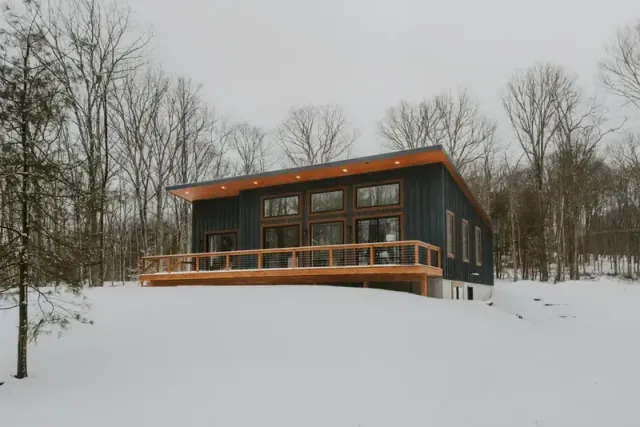
If you have lived in Calgary for any length of time, you know the weather is unpredictable. We joke about experiencing all four seasons in a single week, but for your home, those wild temperature swings and extreme conditions are no joke. Over the years of inspecting homes across Calgary and area, I have seen firsthand how our climate takes a toll on properties in ways that homeowners in other parts of the country never have to think about.
Understanding how Calgary’s weather affects your home helps you catch problems early, plan maintenance smarter, and avoid expensive surprises. Let me walk you through the big ones.
Chinook Winds and Your Roof
Chinooks are one of Calgary’s most distinctive weather features. Those warm, dry winds can push temperatures up by 20 degrees or more in just a few hours. Great for morale in January, but tough on your home.
Roofing takes the biggest hit. Rapid temperature swings cause shingles to expand and contract repeatedly. Over time, this loosens the adhesive that bonds shingle tabs down, causing them to lift, curl, and crack. I see this on inspections constantly. A roof that should have lasted 25 years might show significant wear after 15 in Calgary, and chinook exposure is a big part of the reason.
Siding and exterior caulking also suffer. The expansion and contraction works on every joint and seam on the exterior of your home. Caulking around windows and doors dries out and cracks faster here than in climates with more stable temperatures. Once those seals fail, moisture gets in, and that is where the real damage starts.
When I inspect homes during winter, I always pay extra attention to south and west-facing elevations. Those are the sides that get the most chinook exposure, and they tend to show the most wear.
Freeze-Thaw Cycles and Your Foundation
This is the one I talk about the most during inspections. Calgary’s freeze-thaw cycles are relentless, and they hit your foundation hard.
Here is what happens: water seeps into small cracks in your foundation concrete. When the temperature drops, that water freezes and expands, making the crack slightly larger. When it warms up, the ice melts and more water fills the now-wider crack. Repeat this hundreds of times over a few winters, and small cracks become big ones.
I see this pattern in homes of every age across the city. Even relatively new homes can develop foundation cracks within the first few years. The good news is that not every crack is a disaster. Hairline shrinkage cracks in poured concrete are common and usually not a structural concern. But cracks that are wider than a quarter inch, cracks that show movement (one side higher than the other), or cracks with active water staining need professional attention.
Exterior grading plays a huge role here. If the ground around your home slopes toward the foundation instead of away from it, water pools against the concrete wall. In Calgary’s freeze-thaw climate, that is a recipe for accelerated damage. Proper grading, with the ground sloping away from your home at least six inches over the first ten feet, is one of the simplest and most effective things you can do to protect your foundation.
Clay Soil and Foundation Movement
Much of Calgary sits on expansive clay soil, and this creates a foundation challenge that is fairly unique to our region. Clay soil swells when it absorbs moisture and shrinks when it dries out. This seasonal cycle puts constant pressure on your foundation walls and can cause the entire home to shift slightly over time.
On inspections, I look for the telltale signs: diagonal cracks above door and window frames, doors that stick or will not latch properly, uneven floors, and gaps between walls and ceilings. These do not always mean catastrophic damage, but they do mean the soil is moving your home around, and that is worth monitoring.
Homes built on properly engineered foundations with good drainage handle clay soil much better than older homes or homes with poor grading. If you are buying in an area with heavy clay, which includes large parts of southeast and northwest Calgary, ask about the foundation design and make sure drainage is directing water well away from the house.
Hailstorms
Calgary sits in the heart of Canada’s “hail alley.” We get hit by significant hailstorms on a fairly regular basis. The 2020 storm alone caused over a billion dollars in damage across the city.
During inspections, I look for hail damage on:
- Roofing shingles. Hail impact leaves circular dents in shingles and knocks loose the protective granules. This accelerates deterioration and shortens the roof’s lifespan.
- Siding. Vinyl and aluminum siding can crack, dent, or puncture from hail impact.
- Window screens and skylights. Damaged screens are often the easiest way to spot whether a property was hit by a significant storm.
- Metal flashing and vents. Dents in metal components on the roof can compromise their ability to keep water out.
- Air conditioning units. Outdoor condenser units take a beating in hailstorms, and damaged fins reduce efficiency.
If you are buying a home in Calgary, always ask whether the roof has been replaced or repaired due to hail damage, and when. A thermal imaging scan can sometimes reveal hidden moisture damage from compromised roofing that is not visible from the outside.
Summer Heat and UV Exposure
Calgary gets more sunny days per year than most Canadian cities. That sounds great until you consider what prolonged UV exposure does to your home’s exterior. Deck boards dry out and crack. Paint fades and peels, especially on south-facing walls. Rubber seals around windows and doors deteriorate. Asphalt shingles lose their protective granules faster.
The combination of summer UV exposure and winter chinook stress means Calgary exterior materials age faster than their rated lifespan would suggest. If you are planning maintenance or budgeting for replacements, knock a few years off the manufacturer’s estimated lifespan for anything on the exterior of your home.
Temperature Swings and Windows
Calgary regularly sees temperature swings of 30 to 40 degrees in a short period, and your windows feel every bit of it. The glass, frames, and seals all expand and contract at different rates, and over time, this causes seal failures.
Failed window seals show up as fog or condensation between the panes of double or triple-glazed windows. Once the seal fails, the insulating gas escapes, and the window’s thermal performance drops significantly. In a Calgary winter, that means cold drafts and higher heating bills.
I check every accessible window during inspections, and seal failures are one of the most common findings in homes over ten years old. Replacing individual sealed units is not outrageously expensive (usually $150 to $300 per window), but if you have a dozen failed seals, it adds up quickly.
What I Look for Based on the Season
My inspection approach changes with the seasons because Calgary’s weather reveals different problems at different times of year:
Winter inspections are great for spotting heat loss, ice damming, and cold air infiltration. If there is snow on the roof and one section has melted while the rest is still covered, that tells me there is a heat loss issue in that area, likely due to insufficient insulation or air leakage.
Spring inspections often reveal what winter did to the home. Foundation cracks that opened over the freeze-thaw season, gutter damage from ice, and grading issues that become apparent when the snow melts and water flows toward (or away from) the foundation.
Summer inspections let me fully evaluate the roof, test the air conditioning system, and check exterior components without snow or ice in the way.
Fall inspections are a good time to assess whether the home is prepared for winter and to catch issues before the cold makes them worse.
Protecting Your Home
You cannot control Calgary’s weather, but you can stay ahead of it:
- Inspect your roof annually, especially after hailstorms and before winter
- Maintain exterior caulking around windows and doors every two to three years
- Check your grading every spring and add soil where it has settled away from the foundation
- Clear gutters and downspouts in spring and fall
- Monitor foundation cracks and note any changes in width or alignment
- Replace failed window seals before winter to maintain energy efficiency
If you want to know more about common red flags I find during inspections and what they mean for your home, that guide breaks down the most serious issues in detail.
Have Questions About Your Home?
If you are concerned about how Calgary’s weather might be affecting your property, or if you are buying a home and want to understand what the climate has done to it, give me a call at (403) 861-7100. A thermal imaging inspection is especially useful for spotting moisture intrusion, missing insulation, and air leaks caused by our freeze-thaw cycles — book online and I will help you understand exactly what you are dealing with.
Ready to book your inspection?
If you're buying, selling, or want a clearer picture of your property, I can help. PHII-certified, thermal imaging included, detailed report within 24 hours.