Buying an Older Home in Calgary? What Your Inspection Will Reveal
Considering a pre-1980 home in Calgary? Learn what common issues your home inspection will uncover, from wiring and plumbing to foundation concerns in older neighbourhoods.
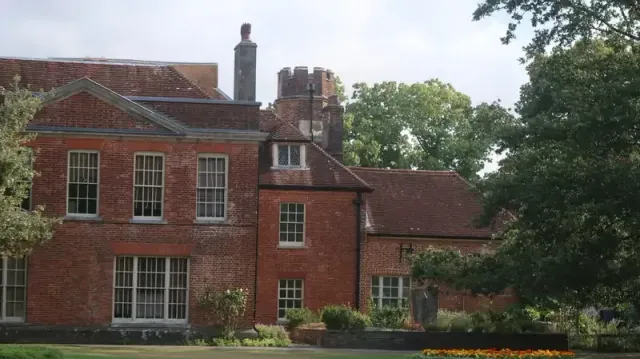
There is something special about Calgary’s older homes. The solid lumber framing, the bigger lots, the mature trees, the established neighbourhoods with real character. I get it. Some of the most beautiful homes I have inspected are in areas like Inglewood, Ramsay, Bridgeland, Mount Royal, and Altadore. These neighbourhoods have a charm that newer developments just cannot replicate.
But older homes come with older problems. And if you are buying a pre-1980 home in Calgary, your inspection is going to reveal things that you will not find in a home built in the last twenty years. That is not a reason to avoid older homes. It is a reason to go in with your eyes open and a solid understanding of what to expect.
What I Commonly Find in Pre-1980 Calgary Homes
Electrical: Knob-and-Tube and Aluminum Wiring
Homes built before the 1950s may still have knob-and-tube wiring in portions of the home, especially in attics. This was the standard for its time, but it is not designed for modern electrical loads. Insulation cannot safely contact knob-and-tube wiring, which creates a problem in attics where insulation has been blown in over top of it.
Homes built in the late 1960s and through the 1970s often have aluminum wiring. Aluminum wiring itself is not inherently dangerous, but the connections can become loose over time and create a fire risk. The solution is usually installing approved connectors (such as AlumiConn or COPALUM) at every junction, which typically costs $2,000 to $4,000 depending on the size of the home.
During an inspection, I identify the wiring type, check the panel, and note any connections that show signs of overheating or improper modification. If the panel is an older type with known safety issues, I will flag that as well.
Plumbing: Galvanized Steel Pipes
Many Calgary homes built before the 1970s have galvanized steel supply pipes. These pipes corrode from the inside out over decades, gradually restricting water flow and eventually developing leaks. If you turn on a faucet in an older home and the water pressure is noticeably weak, galvanized pipes are likely the reason.
I test water pressure and flow at multiple fixtures throughout the home. If the pressure drops significantly when more than one fixture is running, that is a strong indicator that the galvanized pipes are reaching end of life. Full re-piping with copper or PEX typically costs $5,000 to $10,000 for a typical bungalow, depending on accessibility.
Some homes have been partially re-piped, with copper or PEX installed in accessible areas but galvanized still present in walls and ceilings. This is better than nothing, but the remaining galvanized sections will eventually need attention.
Foundation: Settlement and Cracks
Calgary’s clay soil has been working on these foundations for 50, 60, or 70 years. Some degree of foundation movement is expected and normal in older homes. I look at the type, size, and pattern of cracks to assess whether what I am seeing is typical aging or something more concerning.
Vertical hairline cracks in poured concrete are usually shrinkage cracks and are not structurally significant. Horizontal cracks in block or poured concrete walls suggest lateral pressure from the soil, which is more serious. Stair-step cracks in block foundations follow the mortar joints and can indicate settlement.
I also look at the interior for signs that the foundation has moved: doors that do not latch, gaps between walls and ceilings, uneven floors, and diagonal cracks above door and window frames. These do not always mean the home is in trouble, but they tell me the foundation has shifted, and I want to understand how much and why.
Asbestos-Containing Materials
Asbestos was commonly used in building materials from the 1940s through the early 1980s. In Calgary homes of this era, you might find it in:
- Floor tiles (9x9 inch tiles are the classic indicator)
- Pipe insulation wrapping
- Vermiculite attic insulation (not all vermiculite contains asbestos, but some does)
- Drywall joint compound
- Exterior stucco
Asbestos that is in good condition and undisturbed is generally not an immediate health risk. The concern is when it is damaged, disturbed, or needs to be removed during renovation. I note suspected asbestos-containing materials during the inspection, but laboratory testing is required for confirmation. If you are planning renovations, testing before you start work is essential.
Windows: Original Single-Pane
Many older Calgary homes still have their original single-pane windows. These are incredibly inefficient in our climate. You will feel the cold radiating off them in winter, and your heating bills will reflect it. Condensation and ice buildup on the interior of single-pane windows is common during cold snaps.
Replacing all the windows in an older home is a significant expense, often $10,000 to $20,000 or more depending on the number and size of windows. But it is one of the upgrades that makes the biggest difference in comfort and energy efficiency. Some homeowners tackle it in phases, starting with the north-facing windows or the rooms they use most.
Insulation: Minimal by Modern Standards
Building codes have changed dramatically over the decades. A home built in the 1960s may have R-8 or R-12 in the attic. Current Calgary standards call for R-50 or more. Walls in older homes often have little to no insulation, or have older materials that have settled and lost effectiveness.
A thermal imaging inspection is particularly valuable in older homes. The thermal camera shows exactly where heat is escaping, which helps you prioritize upgrades. Sometimes adding insulation to the attic alone makes a massive difference in comfort and heating costs.
Roof: Layers and Age
Older homes may have multiple layers of roofing, with new shingles installed over old ones to save on removal costs. While building codes typically allow up to two layers, the added weight stresses the roof structure, and it becomes harder to inspect the condition of the underlying decking. When it is finally time for a full replacement, the cost is higher because multiple layers need to be removed.
Neighbourhoods with Older Housing Stock
If you are looking at homes in these Calgary neighbourhoods, expect to encounter many of the issues I have described:
Inglewood and Ramsay have some of the oldest homes in Calgary, dating back to the early 1900s. Beautiful character, but expect original systems that have been updated to varying degrees over the decades.
Bridgeland has a mix of original homes and infills. The older homes here often sit on the original foundations and may have had partial upgrades over the years.
Mount Royal features larger, stately homes, some dating back to the 1910s and 1920s. These homes were well-built for their time, but systems need updating. The lots are generous and the trees are magnificent.
Altadore and South Calgary have a mix of post-war bungalows and newer infills. The bungalows from the 1950s and 1960s are solid homes but commonly have galvanized plumbing, older electrical, and minimal insulation.
Killarney, Scarboro, and Sunalta follow similar patterns, with housing stock primarily from the 1940s through 1970s.
The Good News About Older Homes
It is not all problems and repair bills. Older Calgary homes have real advantages:
Solid construction. Homes built before the 1980s often used larger dimensional lumber and more traditional building techniques. The framing in a 1950s bungalow is typically more substantial than what you find in modern production homes.
Bigger lots. Older neighbourhoods generally have larger lots with established landscaping. More yard, more privacy, more room.
Established neighbourhoods. Mature trees, walkable streets, proximity to downtown, and a sense of community that takes decades to develop.
Renovation potential. Many buyers see older homes as an opportunity. A solid structure with good bones can be updated over time to create exactly the home you want.
How to Budget After the Inspection
After your pre-purchase inspection, you will have a clear picture of what the home needs. I help my clients prioritize findings into three categories:
- Address immediately. Safety issues and problems that will get worse quickly (active leaks, unsafe wiring, carbon monoxide risks).
- Plan for within one to three years. Major system replacements that are approaching end of life (furnace, water heater, roof).
- Long-term budgeting. Upgrades that improve the home but are not urgent (windows, insulation, plumbing upgrades).
This approach lets you manage the costs over time rather than trying to do everything at once. Most buyers of older homes expect to invest in updates, and the purchase price usually reflects the home’s condition.
Ready to Inspect an Older Home?
If you are looking at an older home in Calgary, I would love to help you understand what you are getting into. Give me a call at (403) 861-7100 to book a pre-purchase inspection, or reach out online. I will take the time to explain every finding and help you plan for what comes next.
Ready to book your inspection?
If you're buying, selling, or want a clearer picture of your property, I can help. PHII-certified, thermal imaging included, detailed report within 24 hours.